By Anil Aggarwal, Realtor & Broker Manager
New Jersey | Email: RealtorAnilAggarwal@gmail.com | Website: www.AnilSellsNJ.com | Phone: 732-877-8585
What is a Foreclosure?
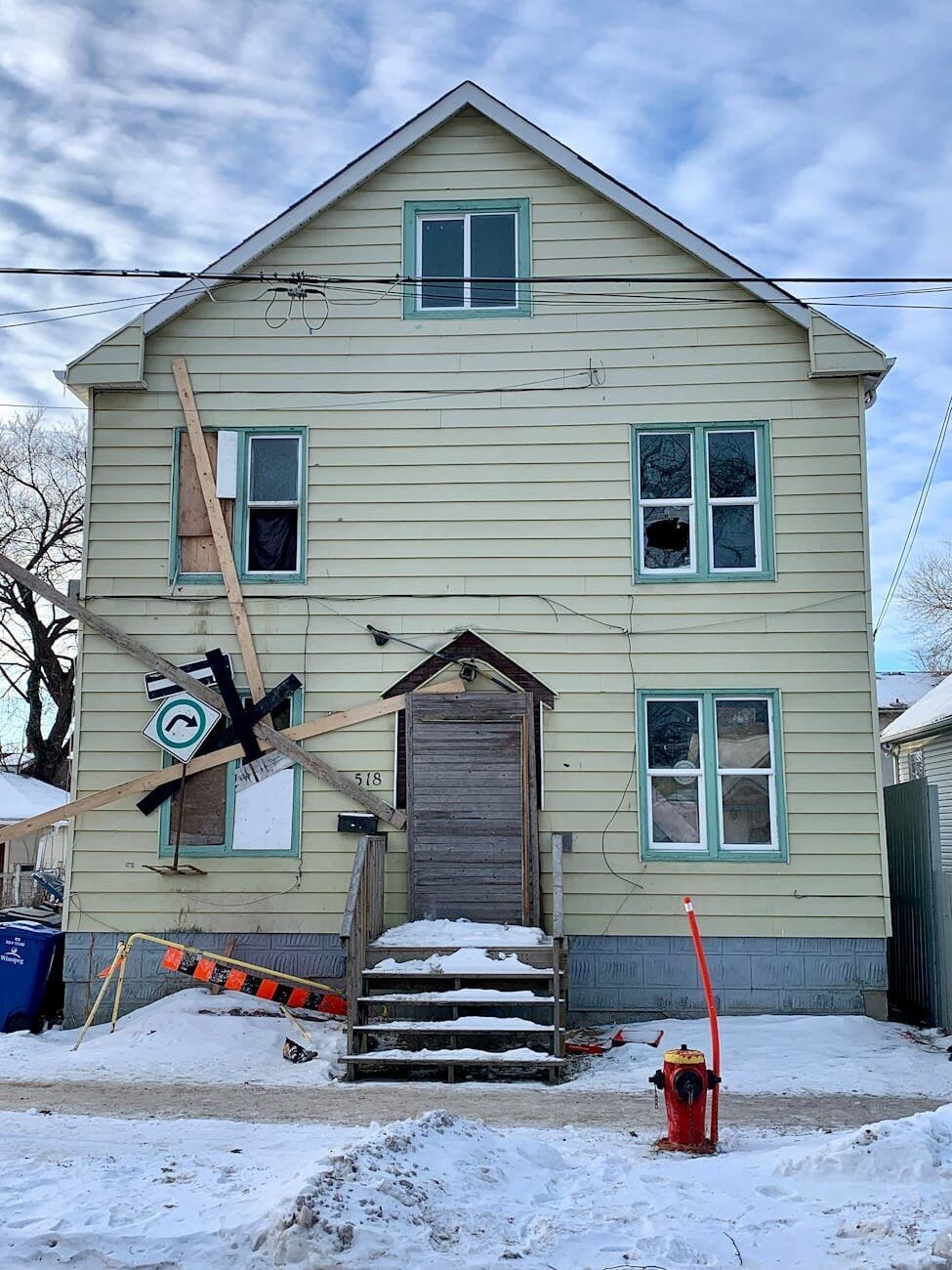
A foreclosure occurs when a homeowner fails to make mortgage payments, and the lender takes legal steps to repossess and sell the property in order to recover the unpaid debt. This process offers opportunities for buyers and investors to acquire properties at potentially below-market prices.
Types of Foreclosures
1. Judicial Foreclosure (common in New Jersey)
This process involves the court system. The lender must file a lawsuit to begin foreclosure proceedings. It includes public notice (Lis Pendens), court hearings, and ultimately a sheriff’s sale.
2. Non-Judicial Foreclosure
This type does not involve court proceedings and is generally faster. It is only available in states that permit “power of sale” clauses in mortgage contracts. This is not used in New Jersey.
Key Stages of the Foreclosure Process
1. Missed Mortgage Payments
The borrower typically misses three or more monthly payments, triggering the start of the foreclosure process.
2. Pre-Foreclosure / Lis Pendens Filed
The lender files a Lis Pendens, signaling legal action. This is the official start of the pre-foreclosure phase. The homeowner may attempt to sell the property to avoid foreclosure.
3. Short Sale (if applicable)
In some cases, the lender agrees to a short sale, allowing the homeowner to sell the property for less than the remaining mortgage balance. This requires lender approval.
4. Auction / Sheriff Sale
If the property is not sold during pre-foreclosure, it is listed for auction, usually at a public sheriff’s sale. Buyers must typically pay cash and accept the property as-is.
5. Real Estate Owned (REO) / Bank-Owned Property
If no buyer purchases the property at auction, it becomes bank-owned. These REO properties are usually listed on the market through real estate agents.
Types of Real Estate Auctions
1. Absolute Auction
The property is sold to the highest bidder with no minimum price requirement.
2. Reserve Auction
The seller sets a minimum reserve price. If bidding does not reach this price, the seller is not obligated to accept the offer.
3. Foreclosure Auction / Sheriff Sale
These are court-ordered sales conducted by local authorities. Properties are typically sold as-is and often require cash payment.
4. Online Bank Auctions
Some banks host private online auctions on dedicated platforms. These require pre-registration and often a password for access.
Buyer Considerations and Risks
Properties are sold as-is and often cannot be inspected in advance. Liens, back taxes, or unpaid utility bills may become the buyer’s responsibility. It’s crucial to conduct thorough title and legal research or work with a trusted real estate professional.
How to Get Started
To browse foreclosure and auction listings, visit:
Click on the auction link and follow instructions to access private bank auction sites.
These platforms often require a password. To request access:
Email: RealtorAnilAggarwal@gmail.com Call or text: 732-877-8585
I can help you:
Navigate the legal process Identify and research auction properties Submit bids and handle paperwork Partner with you on investment opportunities
Whether you’re a first-time buyer, investor, or just curious about auctions, understanding the foreclosure process is your first step toward smart property acquisition.
Let’s work together to find your next opportunity.
Let me know if you’d like PDF or downloadable guide.